
Emotional Addiction: Why Your Brain Craves Chaos and Stress

Introduction
Have you ever noticed that when life finally settles into a calm, predictable rhythm, you suddenly feel an inexplicable sense of dread or restlessness? Or perhaps you find yourself subconsciously picking a fight with a partner just to break a heavy silence. For many, peace feels less like a reward and more like a void that needs to be filled with something—anything—to make it feel “real.”
This isn’t necessarily a flaw in your character; it may be a pattern known as emotional addiction. Emotional addiction describes a state where the brain becomes hooked on specific, intense feelings—such as stress, anger, or high-stakes drama—creating a cycle of emotional highs and lows that can feel as compulsive as substance abuse 1. Instead of seeking stability, the brain begins to crave the neurochemical rush that comes with chaos, making tranquility feel uncomfortable or even threatening.
The Neurobiology of the “Chaos Craving”
To understand why someone might seek out pain or stress, we have to look at the brain’s internal chemistry. Intense emotions trigger the release of powerful neurotransmitters like dopamine and cortisol. Over time, the brain may begin to crave these chemicals to maintain a sense of “normalcy” 1.
A critical distinction in understanding this process is the difference between wanting and liking. In the context of addiction, “liking” refers to the actual pleasure or hedonic impact of a stimulus. However, “wanting” refers to the motivational drive or “incentive salience” that compels a person to seek something out, even if they don’t actually enjoy the experience 1. An emotional addict might not “like” the feeling of a panic attack or a screaming match, but their brain “wants” the chemical surge that follows, driving them to repeat the behavior.
This cycle often involves three distinct stages:
- Binge/Intoxication: The period of intense emotional engagement or conflict.
- Withdrawal/Negative Affect: The “crash” or feelings of emptiness and depression once the intensity fades.
- Preoccupation/Anticipation: The restless stage where the brain scans the environment for the next “hit” of emotion 1.
Recognizing the Signs of Emotional Addiction
Emotional addiction doesn’t always look like a dramatic outburst. It can manifest as subtle behavioral patterns in your work, your hobbies, or your closest relationships. Because the brain’s reward system undergoes neuroadaptations, neutral or calm stimuli can eventually feel unrewarding, causing a person to react compulsively to cues they associate with past intensity 1.
Common Behavioral Patterns
- Mistaking Chaos for Passion: A tendency to gravitate toward toxic or high-conflict relationships because the turbulence feels like “chemistry” or “intensity” 1.
- Stress Addiction: Creating a sense of artificial urgency, such as chronic procrastination that leads to a last-minute adrenaline rush, or intentionally overloading your schedule to avoid stillness 1.
- Conflict Seeking: Picking fights over minor issues or interpreting neutral comments as personal attacks to trigger an emotional reaction.
- The Need for Constant Validation: Using intense social interactions or the pursuit of external approval to regulate internal moods.
- Discomfort with Stillness: An inability to sit with one’s own thoughts, often using busyness or drama as a coping mechanism to avoid the “boredom” of peace 1.
Emotional Addiction vs. Healthy Emotional Intensity
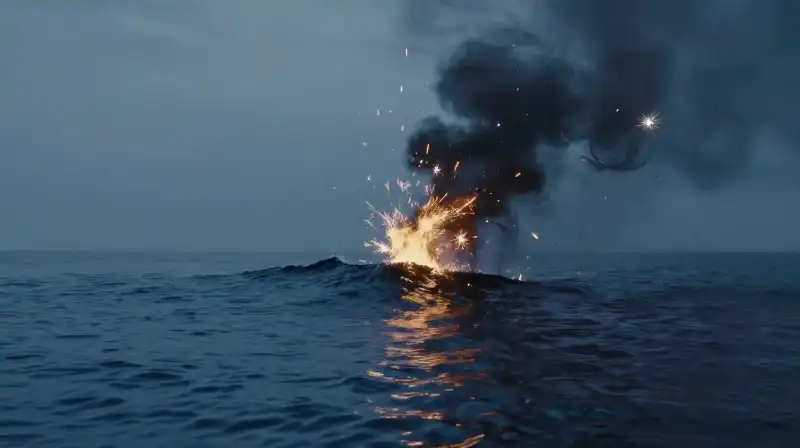
It is common to confuse a passionate life with an addictive one. However, the distinction lies in whether the emotions serve you or control you. Below is a comparison to help differentiate the two.
| Feature | Healthy Emotional Intensity | Emotional Addiction |
|---|---|---|
| Purpose | Emotions respond to meaningful life events. | Emotions are sought out to escape boredom or emptiness. |
| Relationship Dynamics | Conflict is used to resolve issues and grow. | Conflict is used to create a sense of “aliveness” or connection. |
| Reaction to Peace | Peace is restorative and welcomed. | Peace feels unsettling, boring, or “wrong.” |
| Control | You can experience an emotion and move past it. | The emotional cycle feels compulsive and difficult to break. |
Common Questions About Emotional Patterns
Are negative emotions addictive?
Yes, in a neurological sense. While we don’t “enjoy” pain in the traditional sense, the brain can become addicted to the physiological arousal and the neurochemical cocktail (like cortisol and adrenaline) that accompanies negative states like anger, anxiety, or grief 1.
What are the three types of addicts?
While different psychological models exist, addiction is often categorized by the nature of the stimulus: substance addiction (chemical), behavioral addiction (actions like gambling), and emotional addiction (the internal state or psychological cycle).
Why This Happens: The Role of Early Environment
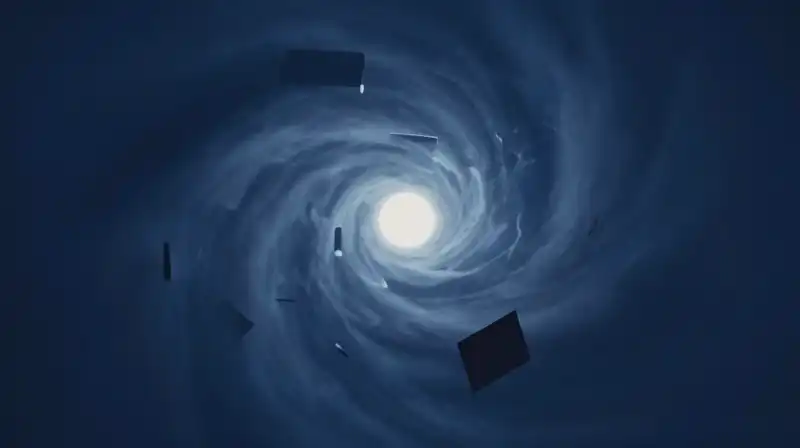
For many, these patterns are deeply rooted in early life experiences. If a person was raised in a chaotic or unpredictable environment, their brain may have learned to equate high-stress levels with safety or “comfort” 1. In these cases, a stable, calm environment feels foreign or even threatening because the brain doesn’t know how to function without the constant presence of a stress response.
In clinical terms, this can lead to an “allostatic state”—a breakdown of the body’s internal balance where the brain’s stress systems, including the extended amygdala, become dysregulated 1. You aren’t just “choosing” to be dramatic; your internal thermostat has been recalibrated to a higher, more chaotic setting.
Moving Toward Stability
Recognizing these patterns is the first step in decoupling your sense of “aliveness” from your sense of “stress.” If you find yourself caught in these loops, consider the following practical shifts:
- Practice “Micro-Stillness”: If silence feels threatening, start small. Practice sitting for just two minutes without a phone, music, or task. This helps retrain the brain to tolerate low-stimulation environments.
- Label the “Wanting”: When you feel the urge to pick a fight or create a crisis, ask yourself: “Am I actually angry, or am I just bored and seeking a chemical rush?”
- Redefine Passion: Work on separating the concept of “intensity” from “instability.” True passion can exist in steady, consistent pursuits rather than just in high-conflict bursts.
Note: Recognizing these patterns is a tool for self-awareness, not a clinical diagnosis. If these cycles feel overwhelming or are damaging your relationships, seeking support from a mental health professional can help you safely recalibrate your internal stress systems.
References
Footnotes
Frequently Asked Questions
What are the three types of addicts?
Addiction is often categorized into substance addiction (chemical), behavioral addiction (actions like gambling), and emotional addiction (the internal state or psychological cycle).
Are negative emotions addictive?
Yes, in a neurological sense, the brain can become addicted to the physiological arousal and neurochemical cocktail, such as cortisol and adrenaline, that accompanies negative states like anger, anxiety, or grief.
How to move toward emotional stability
Practice Micro-Stillness
Start small by practicing sitting for just two minutes without a phone, music, or task to help retrain the brain to tolerate low-stimulation environments.
Label the "Wanting"
When you feel the urge to pick a fight or create a crisis, ask yourself: "Am I actually angry, or am I just bored and seeking a chemical rush?"
Redefine Passion
Work on separating the concept of "intensity" from "instability" by finding true passion in steady, consistent pursuits rather than high-conflict bursts.
Related Articles